Determining And Also Dealing With Plumbing Noises In Your Home
Schedule EstimateHave you been trying to locate information concerning How To Fix Noisy Pipes?
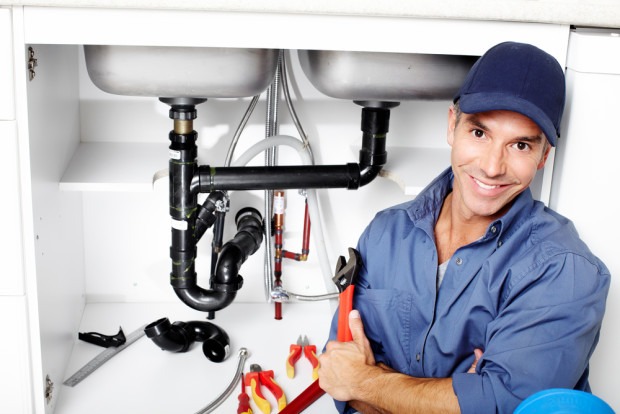
To detect loud plumbing, it is very important to identify first whether the undesirable noises happen on the system's inlet side-in other words, when water is transformed on-or on the drainpipe side. Noises on the inlet side have differed reasons: extreme water pressure, used shutoff and faucet components, improperly attached pumps or various other devices, improperly placed pipe bolts, as well as plumbing runs containing way too many limited bends or other limitations. Sounds on the drainpipe side normally come from poor area or, just like some inlet side noise, a layout having limited bends.
Hissing
Hissing noise that occurs when a faucet is opened slightly usually signals too much water pressure. Consult your local public utility if you presume this problem; it will have the ability to tell you the water pressure in your location as well as can install a pressurereducing shutoff on the inbound supply of water pipe if essential.
Thudding
Thudding sound, frequently accompanied by shuddering pipelines, when a faucet or home appliance valve is shut off is a problem called water hammer. The noise and resonance are caused by the resounding wave of stress in the water, which suddenly has no area to go. In some cases opening up a valve that releases water quickly right into a section of piping consisting of a constraint, elbow joint, or tee installation can create the very same condition.
Water hammer can typically be healed by installing installations called air chambers or shock absorbers in the plumbing to which the trouble valves or taps are connected. These gadgets permit the shock wave created by the halted circulation of water to dissipate airborne they contain, which (unlike water) is compressible.
Older plumbing systems might have brief vertical areas of capped pipeline behind walls on faucet runs for the exact same objective; these can eventually full of water, decreasing or ruining their performance. The cure is to drain pipes the water supply completely by turning off the primary water system shutoff and opening up all taps. Then open the primary supply shutoff and also close the faucets one at a time, starting with the tap nearest the shutoff and also ending with the one farthest away.
Babbling or Screeching
Intense chattering or shrieking that takes place when a shutoff or faucet is turned on, and that normally goes away when the installation is opened fully, signals loose or faulty interior components. The remedy is to replace the valve or faucet with a brand-new one.
Pumps and appliances such as washing devices as well as dishwashers can transfer motor noise to pipes if they are incorrectly linked. Connect such products to plumbing with plastic or rubber hoses-never inflexible pipe-to isolate them.
Various Other Inlet Side Noises
Squeaking, squealing, damaging, snapping, as well as touching generally are caused by the expansion or contraction of pipes, typically copper ones providing warm water. The audios take place as the pipelines slide versus loosened bolts or strike nearby house framing. You can typically determine the area of the trouble if the pipelines are exposed; just follow the noise when the pipes are making sounds. Probably you will certainly uncover a loose pipe hanger or an area where pipelines exist so close to floor joists or other framing pieces that they clatter against them. Attaching foam pipe insulation around the pipes at the point of contact ought to fix the issue. Make sure straps as well as hangers are protected as well as offer sufficient support. Where feasible, pipeline fasteners ought to be connected to enormous structural elements such as foundation wall surfaces as opposed to to mounting; doing so decreases the transmission of resonances from plumbing to surface areas that can magnify as well as transfer them. If attaching bolts to framework is inevitable, wrap pipelines with insulation or various other resilient product where they get in touch with fasteners, and sandwich completions of brand-new fasteners in between rubber washing machines when installing them.
Correcting plumbing runs that deal with flow-restricting limited or numerous bends is a last resource that must be carried out only after getting in touch with a proficient plumbing professional. Unfortunately, this scenario is relatively usual in older homes that may not have actually been built with indoor plumbing or that have actually seen numerous remodels, particularly by beginners.
Drainpipe Noise
On the drainpipe side of plumbing, the chief objectives are to eliminate surface areas that can be struck by falling or hurrying water and to shield pipes to have inevitable sounds.
In brand-new construction, tubs, shower stalls, toilets, as well as wallmounted sinks and containers need to be set on or against resistant underlayments to minimize the transmission of sound with them. Water-saving toilets as well as taps are less loud than conventional designs; install them rather than older kinds even if codes in your area still allow using older fixtures.
Drains that do not run vertically to the basement or that branch right into straight pipe runs sustained at flooring joists or other mounting present especially frustrating noise troubles. Such pipes are big sufficient to radiate significant resonance; they also bring substantial quantities of water, which makes the circumstance even worse. In new building, define cast-iron soil pipes (the big pipelines that drain pipes bathrooms) if you can manage them. Their massiveness includes a lot of the sound made by water passing through them. Also, prevent transmitting drainpipes in walls shown rooms and also rooms where people collect. Walls consisting of drainpipes ought to be soundproofed as was described previously, utilizing dual panels of sound-insulating fiber board and wallboard. Pipes themselves can be covered with unique fiberglass insulation made for the function; such pipelines have an impervious plastic skin (occasionally containing lead). Results are not constantly satisfactory.
WHY IS MY PLUMBING MAKING SO MUCH NOISE?
This noise indeed sounds like someone is banging a hammer against your pipes! It happens when a faucet is opened, allowed to run for a bit, then quickly shut — causing the rushing water to slam against the shut-off valve.
To remedy this, you’ll need to check and refill your air chamber. Air chambers are filled with — you guessed it — air and help absorb the shock of moving water (that comes to a sudden stop). Over time, these chambers can fill with water, making them less effective.
You’ll want to turn off your home’s water supply, then open ALL faucets (from the bathroom sink to outdoor hose bib) to drain your pipes. Then, turn the water back on and hopefully the noise stops! If you’re still hearing the sound, give us a call to examine further.
Whistles
Whistling sounds can be frustrating, as sometimes the source isn’t easily identified. However, if you can pinpoint which faucet or valve that may be the cause, you’ll likely encounter a worn gasket or washer — an easy fix if you replace the worn parts!Whistling sounds from elsewhere can mean a number of things — from high water pressure to mineral deposits. Your best plan of attack here is to give our plumbing experts a call. We’ll be able to determine where the noise is coming from and what the cause may be, then recommend an effective fix!
Cracks or Ticks
Cracking or ticking typically comes from hot water going through cold, copper pipes. This causes the copper to expand resulting in a cracking or ticking sound. Once the pipes stop expanding, the noise should stop as well.
Pro tip: you may want to lower the temperature of your water heater to see if that helps lessen the sound, or wrapping the pipe in insulation can also help muffle the noise.
Bangs
Bangs typically come from water pressure that’s too high. To test for high water pressure, get a pressure gauge and attach it to your faucet. Water pressure should be no higher than 80 psi (pounds per square inch) and also no lower than 40 psi. If you find a number greater than 80 psi, then you’ve found your problem!
Next step is to give us a call in order to install a pressure regulator. Trust us, you don’t want to wait to resolve this issue. Not only is the sound annoying, but high water pressure can be destructive to your home — including damaging certain appliances, like your washer and dishwasher.
Dripping
You might be accustom to the slow quiet drip your kitchen faucet makes. You might have even tuned out your bathroom sink dripping and drabbing all day long — but it’s time to find its cause.
A slow drip could signify a variety of easy to fix issues, such as a worn out O ring, or loose part. And by ignoring the drip, you could be wasting up to 2,000 gallons of water a year! So start conserving water — get it looked at ASAP.
https://www.pwessig.com/blog/2018/december/why-is-my-plumbing-making-so-much-noise-/

As a devoted person who reads on Why Do My Pipes Make Noises, I was thinking sharing that piece of content was beneficial. Liked our piece? Please share it. Let someone else check it out. Thanks a lot for taking the time to read it.
This Website